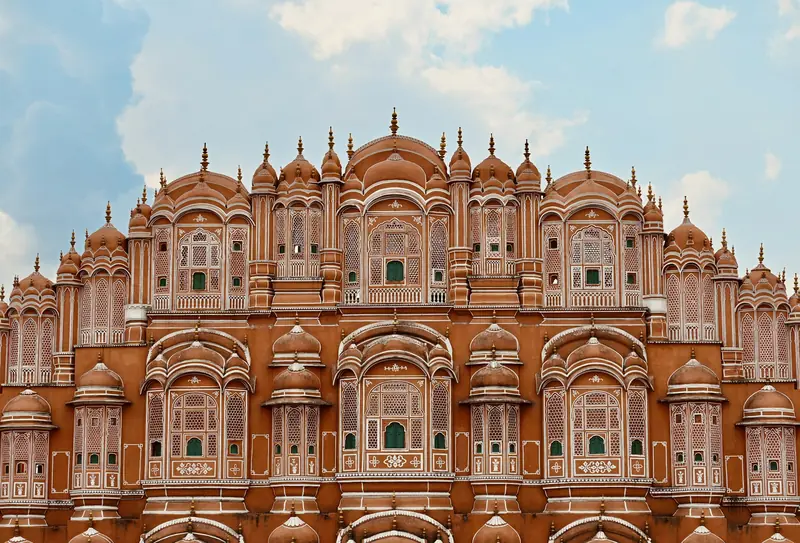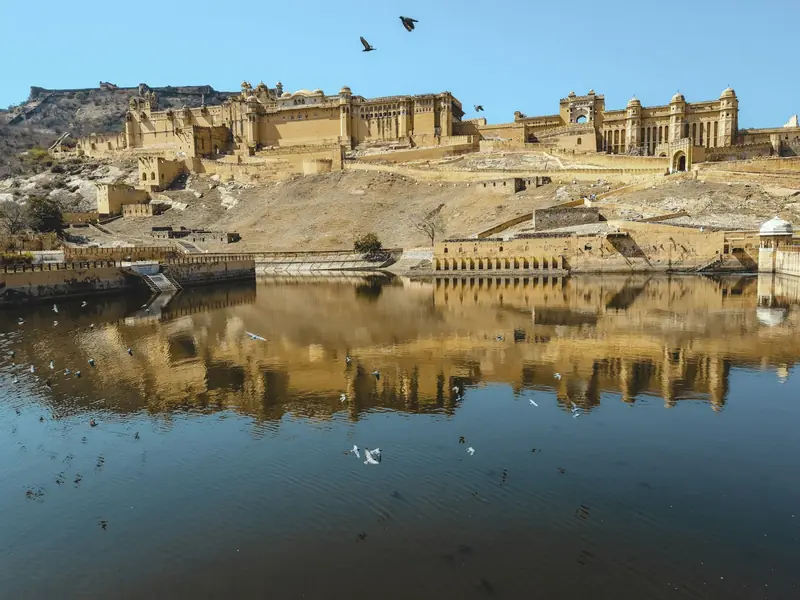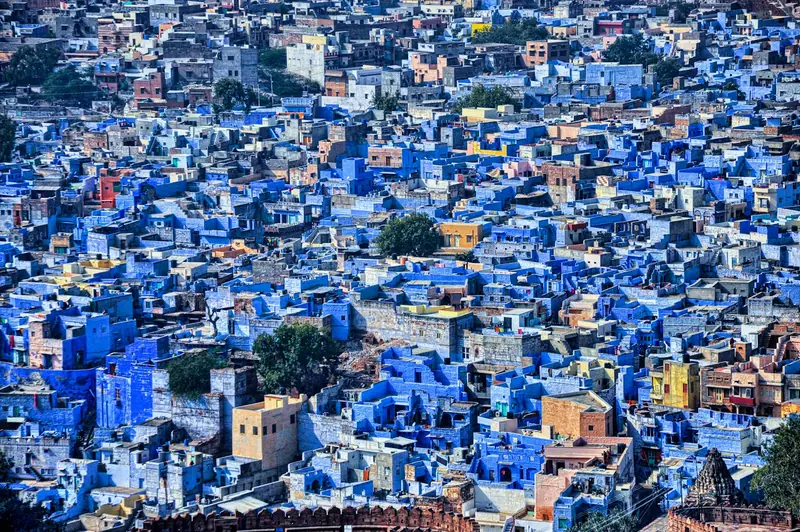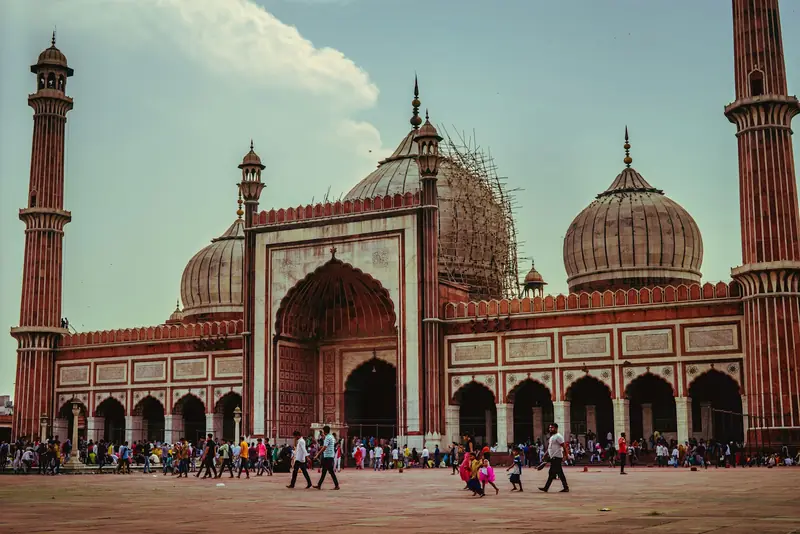
India is vast and varied, and a first trip can feel overwhelming to plan. The good news is that the most popular first itinerary — Delhi, Agra and Jaipur, with perhaps one more place — is compact, well connected and full of extraordinary sights.
Start in the north
For most first-time visitors, North India is the natural place to begin. Delhi has the most international flights, the Taj Mahal is close by, and Rajasthan offers forts, palaces and desert scenery within a day's drive. Kerala, Goa and the south make excellent second trips, or can be combined if you have three weeks or more.
How long to go for
Ten days to two weeks is a good length for a first trip: enough to adjust to the pace and see four or five places without rushing. Even a week works well if you keep to the Golden Triangle and one addition, such as Udaipur or Varanasi.
When to go
October to March is the most comfortable time across the north. The heat builds from April, and the monsoon arrives around July. Festivals such as Diwali (October or November) and Holi (March) are memorable but mean higher prices and crowds.
What it is really like
Expect noise, colour, traffic and crowds, especially in the cities — and expect warmth, curiosity and hospitality too. Many visitors find the first day or two intense and then settle in. A few things help:
- Plan an easy first day. Long flights often arrive at night; leave the first morning free.
- Use a guide at the big sites. It saves queues and confusion and brings the history to life.
- Travel with a private driver between cities, so the logistics are handled.
- Accept that plans change. Fog, traffic or a festival can shift the day; build in some slack.
Before you go
Check visa requirements early; many nationalities can apply online for an e-Visa through the official Government of India website. See our travel tips for international visitors for money, health, clothing and other practical advice.
Check before you travel
Rules, fees and timetables change. These official sources have the latest information: